
Table of Contents
- Christian Life Coaches: Why Group Coaching Matters
- 🕊️ Introduction: Group Coaching Is a Calling, Not a Trend
- 💡 Why Group Coaching Requires More Than Passion
- 🧭 Clarifying the Purpose of Your Group Program
- 🧱 Designing a Transformational Week-by-Week Experience
- 📦 Choosing the Right Format, Pricing, and Delivery Model
- 🕊️ Leading With Authority, Compassion, and Peace
- 🧠 Handling Group Dynamics With Confidence and Care
- 🚀 Launching With Faith, Not Hustle
- ✝️ Group Coaching as a Discipleship Opportunity
- 🔍 Final Takeaway: You Were Anointed to Lead Many
- FAQs
Christian Life Coaches: Why Group Coaching Matters
Christian Life Coaches: Why Group Coaching Matters
🕊️ Introduction: Group Coaching Is a Calling, Not a Trend
Group coaching has grown rapidly in the coaching world, but for Christian life coaches, it is not simply a scalable business strategy. It is a sacred assignment.
When God calls you to lead groups, He is not just asking you to speak to many, he is inviting you to steward transformation at scale. Group coaching is a space where teaching, discipleship, accountability, and spiritual growth intersect.
Yet many Christian life coaches step into group coaching without preparation, structure, or clarity. They feel called, but unsure. Anointed, but overwhelmed. Passionate, but hesitant to lead many at once. This is where intentional design, Spirit-led leadership, and wise structure become essential.
Group coaching is not about doing more. It is about leading well.
💡 Why Group Coaching Requires More Than Passion
Passion may open the door, but structure sustains the room.
Without clarity, group coaching becomes chaotic. Without intentional design, even powerful sessions lose momentum. Without leadership confidence, group dynamics can feel intimidating rather than life-giving.
Christian life coaches are not called to “figure it out as they go.” Scripture consistently shows us that God gives instructions alongside assignments.
When Jesus taught multitudes, He did so with order.
When disciples were trained, there was structure.
When communities were formed, leadership was clear.
Group coaching is no different.
🧭 Clarifying the Purpose of Your Group Program
Every effective group coaching experience begins with purpose.
Christian life coaches must ask:
Why does this group exist?
Who is this group for?
What transformation should participants experience?
What season of growth does this group support?
Without clarity of purpose, groups become vague and unfocused. Participants feel inspired, but not changed.
Purpose provides:
Direction for curriculum
Boundaries for content
Confidence for leadership
Alignment between calling and execution
Group coaching rooted in purpose becomes a discipleship pathway—not just a meeting space.
🧱 Designing a Transformational Week-by-Week Experience
Transformation does not happen by accident.
One of the greatest mistakes new group coaches make is relying on spontaneous teaching alone. While sensitivity to the Spirit is vital, intentional progression is what supports lasting growth.
A transformational group experience requires:
Clear session objectives
Logical flow from week to week
Teaching that builds, not overwhelms
Space for reflection, application, and accountability
Christian life coaches must think in terms of journeys, not isolated sessions.
Each week should:
Build upon the last
Reinforce core truths
Invite deeper engagement
Support spiritual and personal growth
This kind of design creates safety, trust, and consistency—key elements of effective discipleship.
📦 Choosing the Right Format, Pricing, and Delivery Model
Group coaching is not one-size-fits-all.
Christian life coaches must discern:
Is this group short-term or ongoing?
Is it teaching-based, coaching-based, or hybrid?
Is it live, virtual, or pre-recorded with live elements?
What pricing reflects both value and accessibility?
Pricing is not about worth—it’s about stewardship.
When pricing is clear and intentional, it:
Honors the work being offered
Creates commitment from participants
Supports sustainability for the coach
Removes confusion and resentment
Delivery models should support both the leader’s capacity and the participants’ needs. When structure aligns with grace, both coach and clients flourish.
🕊️ Leading With Authority, Compassion, and Peace
Group leadership requires a different posture than one-on-one coaching.
Christian life coaches must learn to:
Lead with confidence without control
Hold space without over-functioning
Correct gently without fear
Maintain authority without intimidation
Authority does not come from personality—it comes from preparation, clarity, and alignment.
When coaches lead with peace:
Groups feel safe
Participation increases
Transformation deepens
The Spirit moves freely
Compassion allows for humanity. Authority provides direction. Peace sustains the environment.
🧠 Handling Group Dynamics With Confidence and Care
Every group has dynamics.
Different personalities. Different maturity levels. Different expectations.
Without preparation, group dynamics can feel intimidating. With wisdom, they become manageable and even enriching.
Christian life coaches must be equipped to:
Navigate dominant voices
Support quieter participants
Address conflict with grace
Maintain boundaries
Group coaching is not about fixing people—it is about facilitating growth responsibly.
Healthy leadership creates healthy groups.
🚀 Launching With Faith, Not Hustle
Many coaches launch from pressure instead of peace.
They rush timelines.
They over-promise.
They under-prepare.
They rely on effort instead of alignment.
Launching with faith means:
Trusting God’s timing
Preparing thoroughly
Communicating clearly
Inviting, not chasing
Leading confidently
Faith-filled launches are marked by clarity, not chaos.
Group coaching built this way attracts the right participants—those who are ready, willing, and aligned.
✝️ Group Coaching as a Discipleship Opportunity
Group coaching is more than a business model.
It is a discipleship opportunity.
It is a space where:
Truth is taught
Identity is strengthened
Accountability is practiced
Growth is nurtured
Leadership is modeled
Christian life coaches are not simply facilitators—they are stewards of transformation.
When group coaching is done well, impact multiplies without dilution.
🔍 Final Takeaway: You Were Anointed to Lead Many
Group coaching requires courage, clarity, and preparation.
You don’t need to know everything.
You don’t need to be perfect.
But you do need structure, wisdom, and obedience.
You were not called to remain hidden.
You were not called to lead alone.
You were not called to shrink your assignment.
You were anointed to coach.
And now, you are ready to lead many.
If you sense a stirring to lead beyond one-on-one coaching and steward group spaces with wisdom, structure, and peace, this resource was created with you in mind. This is for the coach who knows there is more—more impact, more reach, and more responsibility—but desires to move forward with clarity rather than pressure.
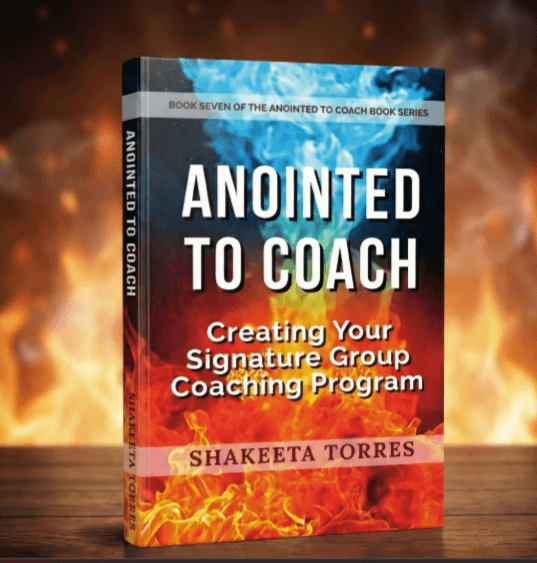
Anointed to Coach: Creating Your Signature Group Coaching Program will walk you step by step through the process of clarifying your assignment, designing a transformational group experience, and leading with confidence, compassion, and Spirit-led authority. It equips you with practical structure while honoring the spiritual depth required to shepherd people well in a group setting.
This is not about building bigger for the sake of growth. It is about leading intentionally, preparing wisely, and creating environments where lasting transformation can take place without hustle, confusion, or burnout.
👉 Explore the book here:
https://shakeeta-torress-store.myshopify.com/products/anointed-to-coach-creating-your-signature-group-coaching-program-workbook?variant=51038610293034
You were not called to guess your way into group leadership. You were called to lead with intention, obedience, and peace—fully equipped for the assignment God has entrusted to you.
FAQs
1. Why is group coaching important for Christian life coaches?
Group coaching allows Christian life coaches to disciple, teach, and support multiple individuals at once while maintaining spiritual depth and accountability. It creates a structured environment where transformation can happen collectively, multiplying impact without diluting care or integrity.
2. How is group coaching different from one-on-one coaching for Christian life coaches?
While one-on-one coaching offers personalized attention, group coaching provides shared learning, community support, and collective growth. For Christian life coaches, group coaching also encourages discipleship, peer accountability, and Spirit-led discussions that deepen understanding and application.
3. Can Christian life coaches lead group programs without losing spiritual intimacy?
Yes. When designed intentionally, group coaching preserves spiritual intimacy through clear structure, guided discussions, and prayerful leadership. Christian life coaches who lead with clarity and compassion can create safe spaces where participants experience both community and personal transformation.
4. What skills do Christian life coaches need to lead group coaching effectively?
Christian life coaches need clarity of purpose, strong facilitation skills, emotional and spiritual discernment, and the ability to manage group dynamics. Leadership confidence, clear communication, and preparation are essential for guiding groups with authority and care.
5. Is group coaching a business strategy or a ministry for Christian life coaches?
For Christian life coaches, group coaching is both. It is a sustainable business model and a discipleship opportunity. When led with integrity and structure, group coaching allows coaches to steward their calling responsibly while expanding Kingdom impact.